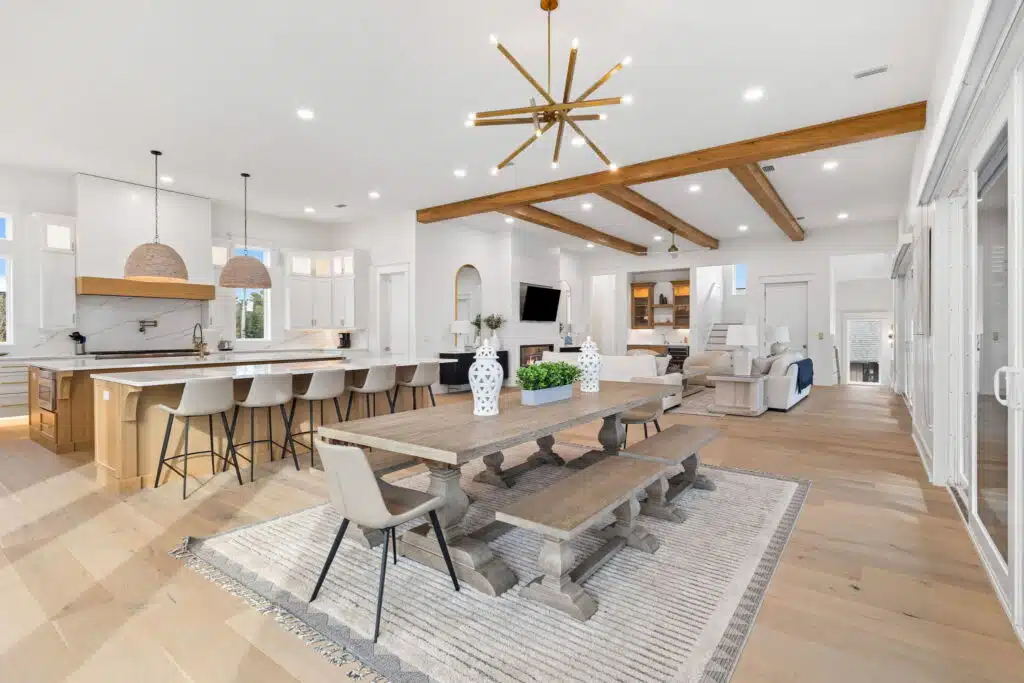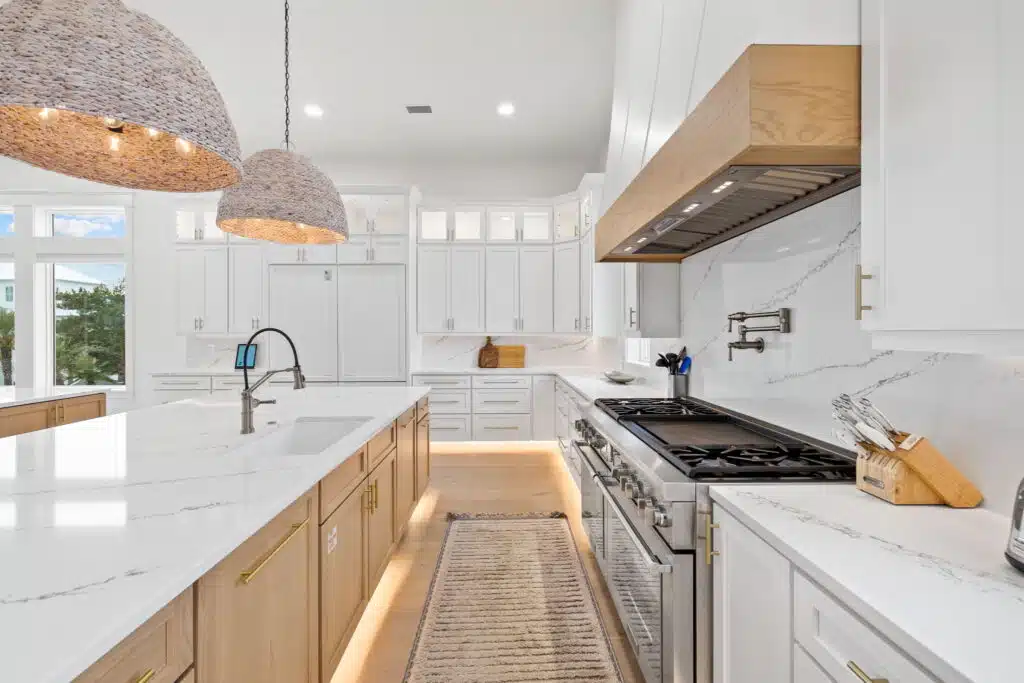

Imagine savoring your morning coffee on a sun-warmed terrace overlooking the Mediterranean, or hosting friends in a chic Aspen chalet—all without the burdens of year-round home maintenance or the full upfront cost of a luxury property. This is the vision Grand Escapes brings to life with shared ownership: a curated, effortless gateway to the world’s most coveted vacation estates. For the discerning traveler and savvy investor, this model promises more than just memorable getaways—it offers a smart route to luxury real estate. Yet, like any investment, fractional vacation home ownership carries its own set of financial risks. Understanding these risks is essential to making informed, confident decisions that align with your lifestyle aspirations and financial goals.
The Investment Illusion: Asset Appreciation

One of the most enticing aspects of fractional vacation home ownership is the prospect of asset appreciation. It’s easy to imagine your share in a luxury villa or penthouse climbing in value as the property market rises. However, the reality is more nuanced.
Fractional ownership isn’t the same as holding a full deeded property. The real estate market is unpredictable, and luxury vacation homes in particular are susceptible to swings in demand and local market dynamics. Moreover, selling a fractional share can be more complicated than selling a whole property, potentially impacting liquidity and resale value.
Pro tip: Before investing, research recent sales of similar fractional properties in your chosen destination. This can give you a realistic view of potential appreciation—or lack thereof.
Hidden Costs: Fees Beyond the Purchase Price
The allure of luxury living can sometimes overshadow the less glamorous side of shared ownership: ongoing costs. While the initial buy-in may seem favorable compared to sole ownership, fractional vacation homes often come with recurring fees. These can include property management, maintenance, insurance, and even refurbishments.
Because you’re sharing ownership, you’re also sharing responsibility for these costs—regardless of how much you personally use the property. Unexpected expenses, such as urgent repairs or local tax increases, may be passed on to all owners.
Pro tip: Request a detailed breakdown of all current and potential future fees before signing. Factor these into your long-term financial planning to avoid surprises.
Liquidity Challenges: Selling Your Share

One of the less obvious financial risks of fractional ownership is liquidity—or the ability to quickly sell your share if your circumstances change. Unlike traditional real estate, which benefits from a wide buyer pool, fractional shares are a niche product. It may take longer to resell, and you might not always recover your full investment.
Market demand, the reputation of the management company, and the desirability of the property itself all play roles in resale potential. If the property or program isn’t well-managed, or if the destination loses its allure, your share’s value could stagnate or even decline.
Pro tip: Ask your provider about historical resale data and any internal buy-back programs. Some companies, like Grand Escapes, may offer support to facilitate smoother exits.
Usage Uncertainties: Scheduling and Restrictions
Fractional ownership often guarantees you a set number of weeks per year, but the specifics of how and when you can use the property may vary. High season weeks are typically in high demand, and you may have to enter a rotating schedule or lottery system. If your preferred dates aren’t available, the value you derive from the investment could diminish.
Additionally, some agreements come with restrictions on renting out your allotted time, limiting your ability to generate rental income when you’re not using the property.
Pro tip: Review the usage policies thoroughly. Consider how flexible you are with travel dates, and whether the program’s reservation system aligns with your lifestyle.
Market Volatility: External Economic Factors
Economic downturns, global health events, and changing travel trends can all impact the luxury vacation home market. During periods of instability, demand for high-end travel can wane, affecting both the value of your share and your ability to sell. Local policy changes, such as new taxes or regulations on second homes, can also affect your bottom line.
While Grand Escapes focuses on premier global destinations, even the most desirable markets are not immune to external shocks. Diversification—across properties, destinations, or even asset classes—remains a timeless investment principle.
Pro tip: Stay informed about economic trends and local regulations in your chosen destinations. This knowledge can help you anticipate potential risks and pivot as needed.
The Importance of Due Diligence
The excitement of owning a slice of paradise can sometimes eclipse the due diligence needed for a sound investment. Each shared ownership program operates differently: some offer deeded ownership, others provide right-to-use arrangements. Legal frameworks, transferability, and governance structures all vary.
Understanding the fine print—such as dispute resolution, voting rights, and co-ownership obligations—can be the difference between a dream investment and an unexpected headache.
Pro tip: Engage an experienced real estate attorney familiar with fractional ownership before committing. Their expertise can help you navigate complex agreements and safeguard your interests.
Conclusion
Fractional vacation home ownership with Grand Escapes opens a world of luxury, flexibility, and potential financial rewards. Yet, it’s crucial to approach this opportunity with eyes wide open to the financial risks involved. From market volatility and liquidity constraints to hidden costs and usage restrictions, every aspect deserves careful consideration. By conducting thorough due diligence, understanding the program’s unique structure, and planning for both the joys and responsibilities of co-ownership, you’ll position yourself to reap the true rewards of effortless, unforgettable escapes—and a smarter approach to luxury real estate.